
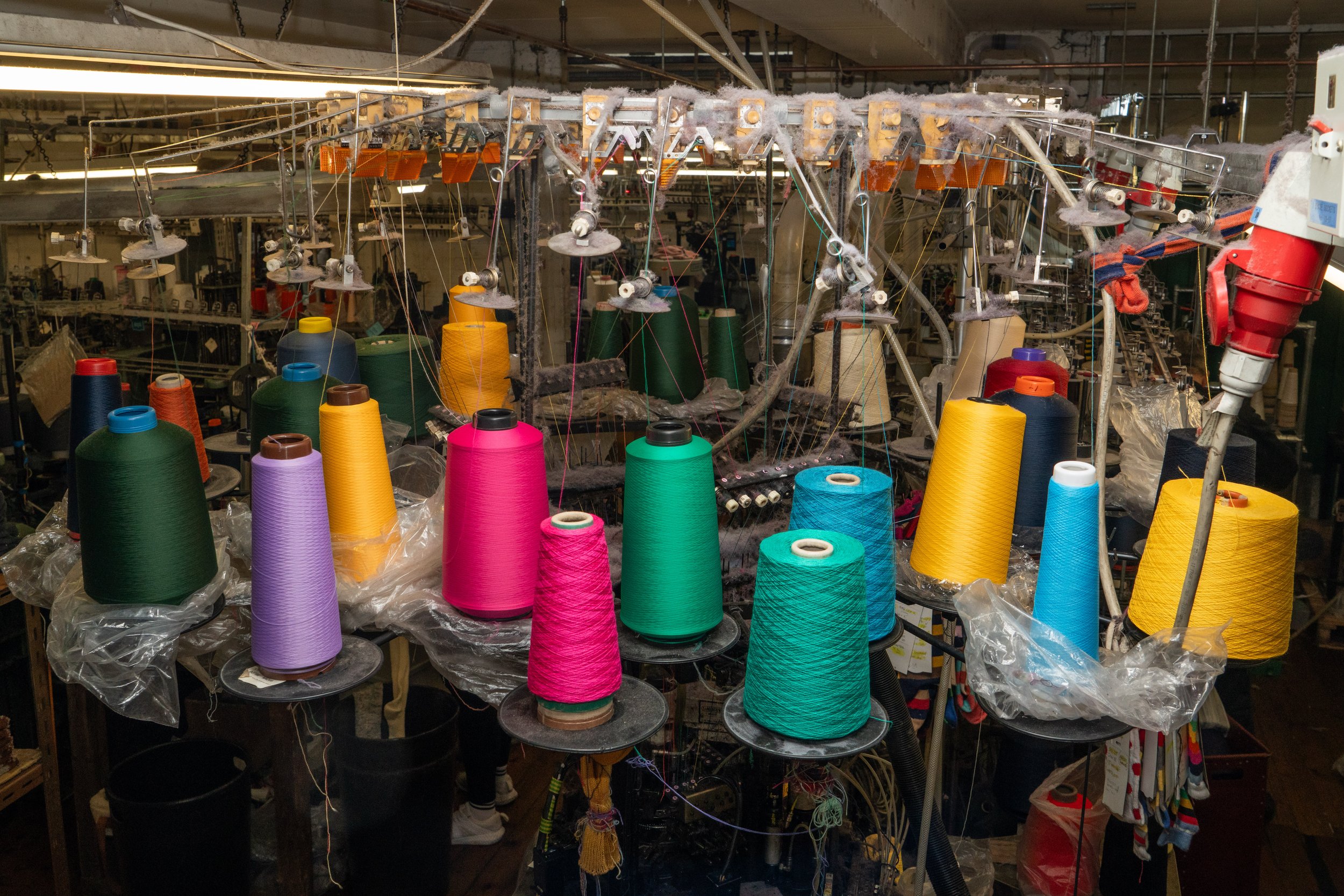
J. Alex Swift is a sock manufacturer based in the village of Hathern, now run by the fourth generation of the Swift family. Established in 1895, the company has built its reputation on being the leading producer of mohair and alpaca socks in Britain. Inside the factory, heritage knitting machinery from the 50s and 60s still operates daily, including traditional double cylinder equipment and hand linking benches, working alongside more modern Japanese machines.
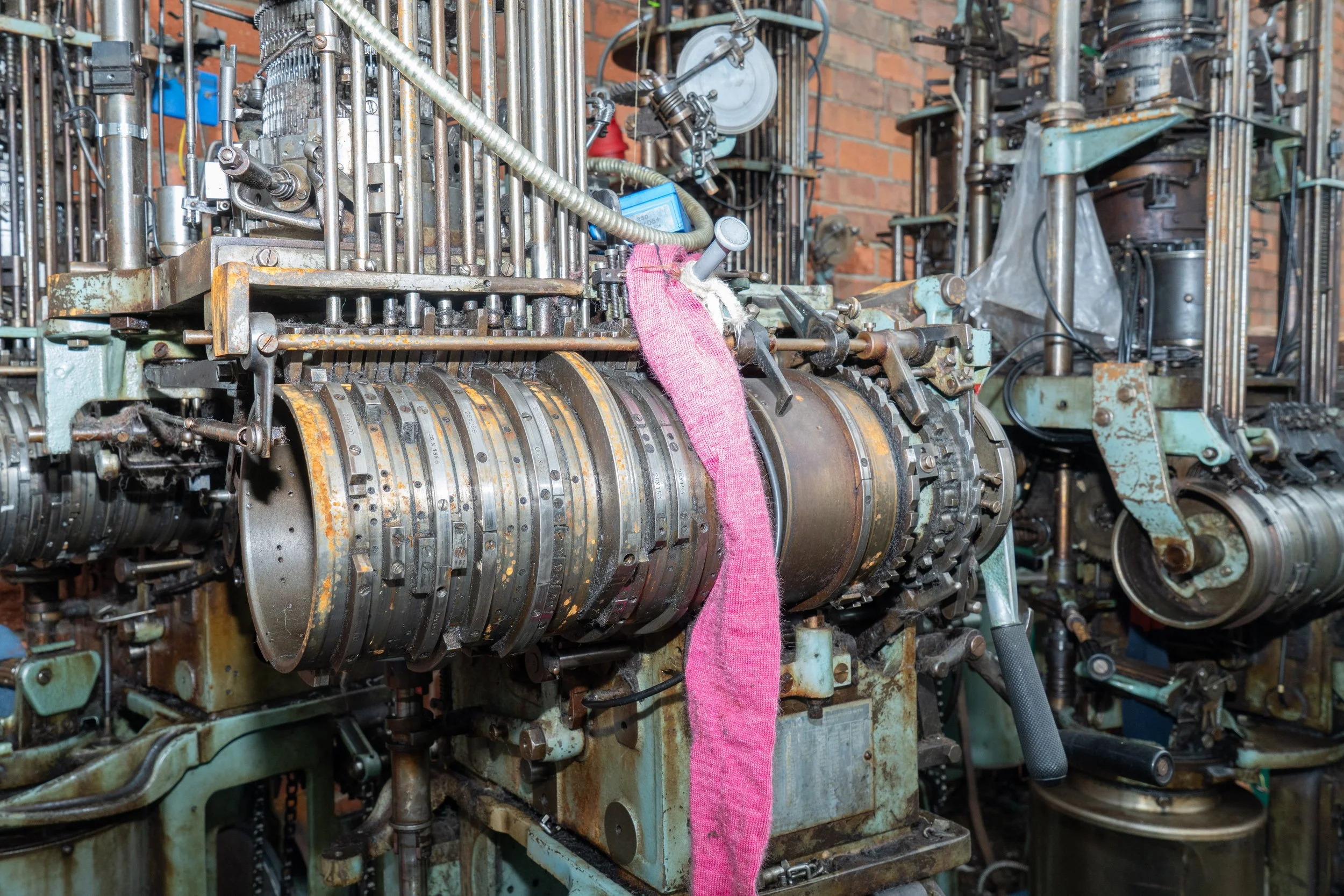
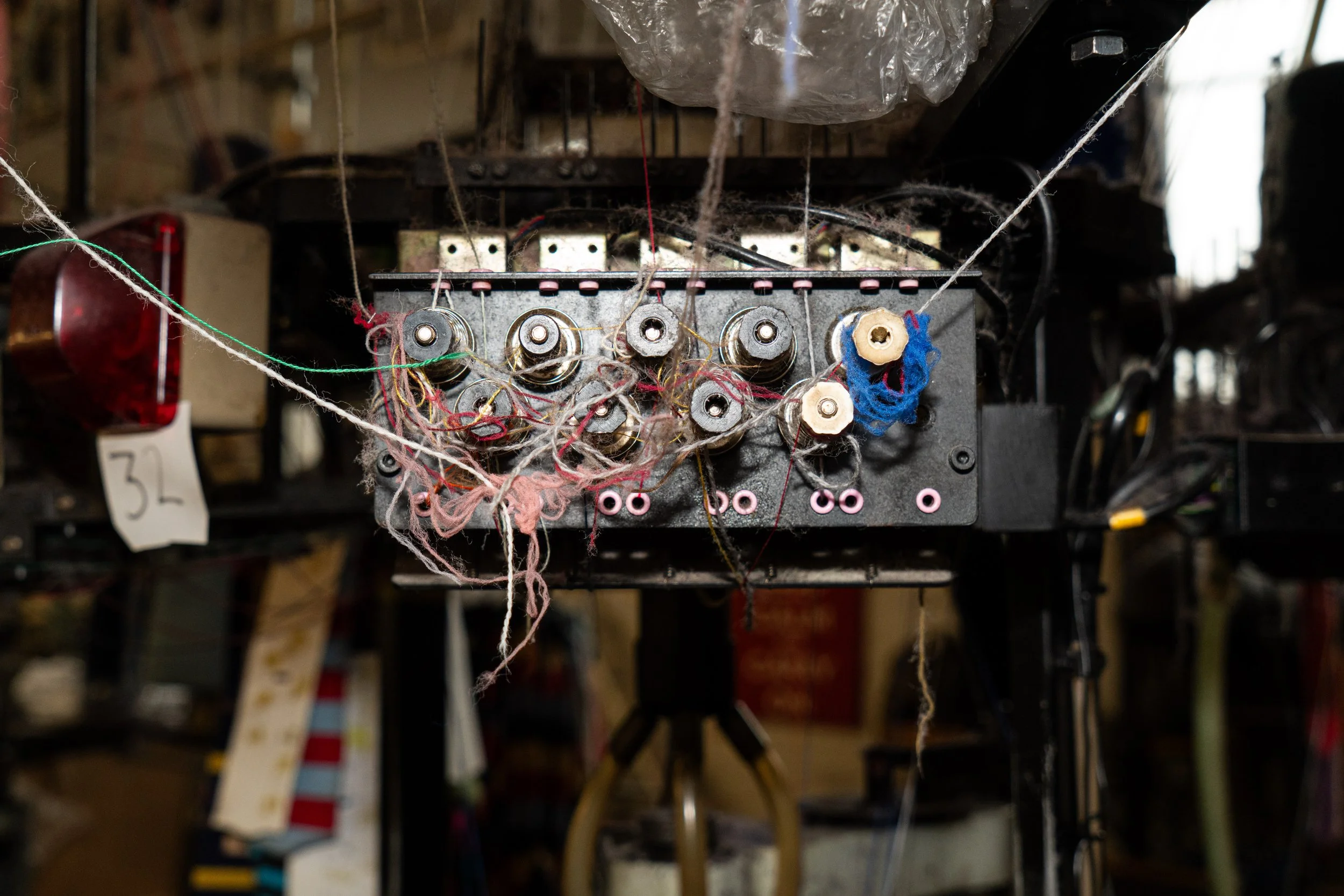
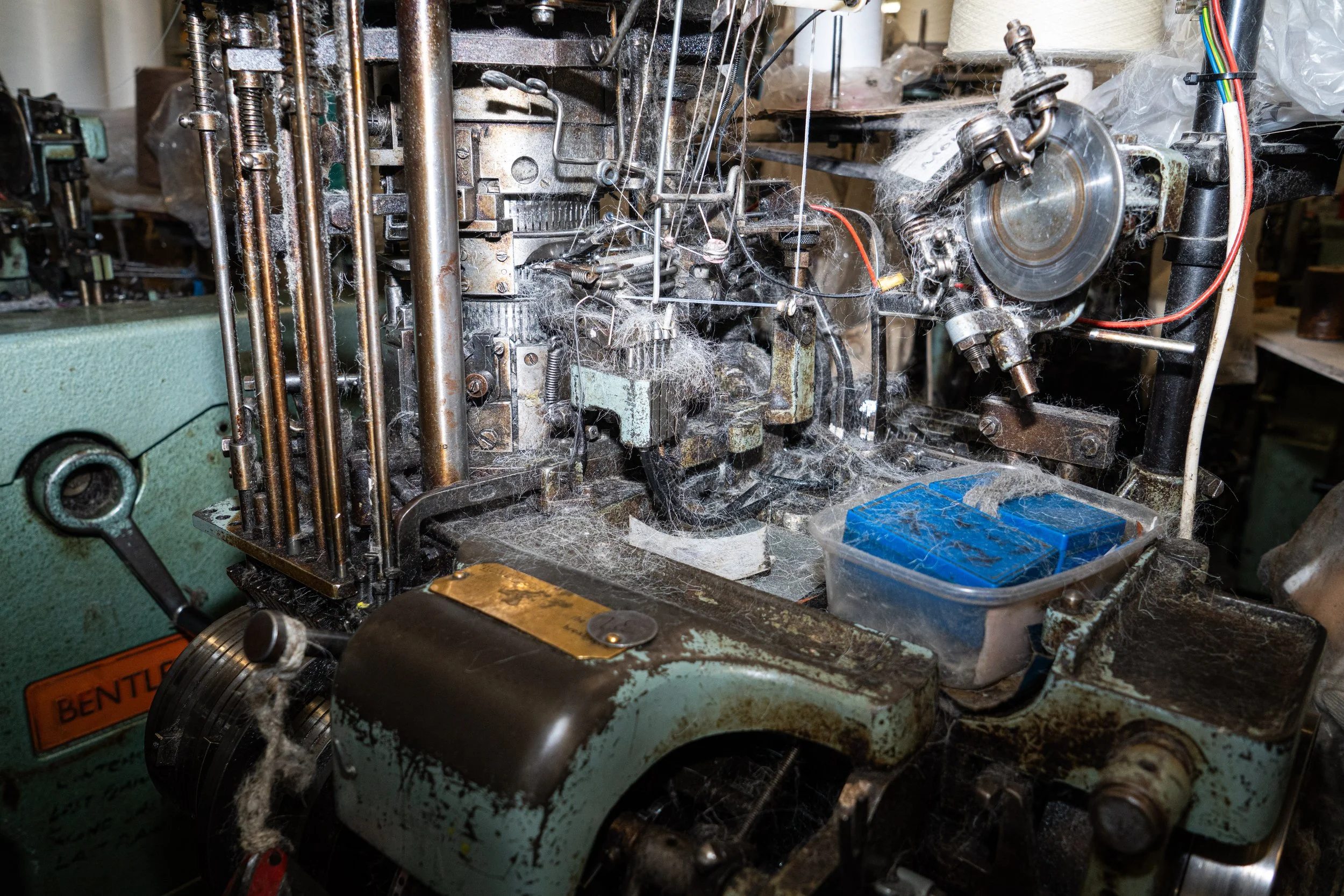
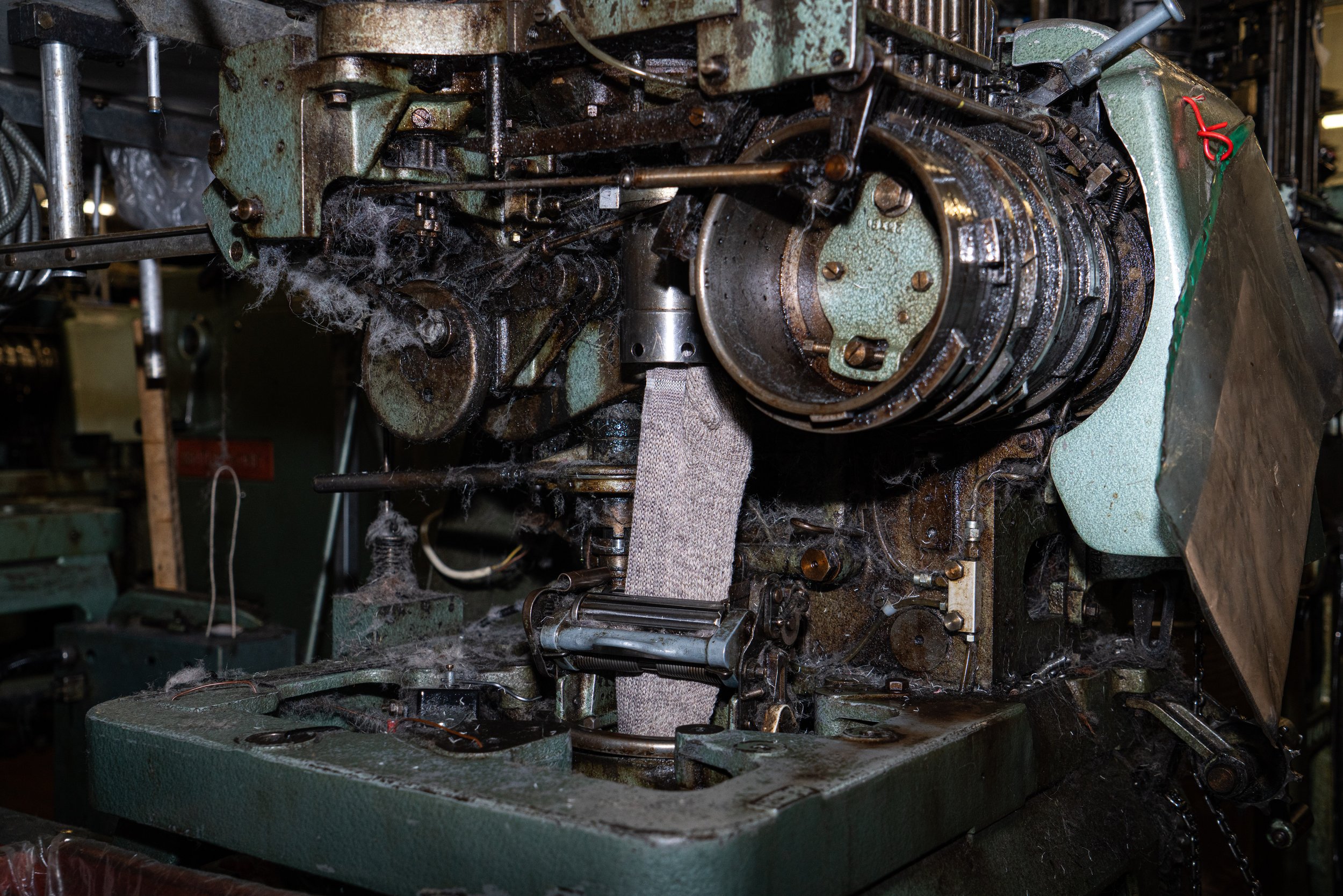
I wanted to document the factory as it functions today, not as a nostalgic space but as a working environment where past and present exist side by side. The focus of the project was continuity. How knowledge, machinery and process are carried forward and adapted rather than replaced.
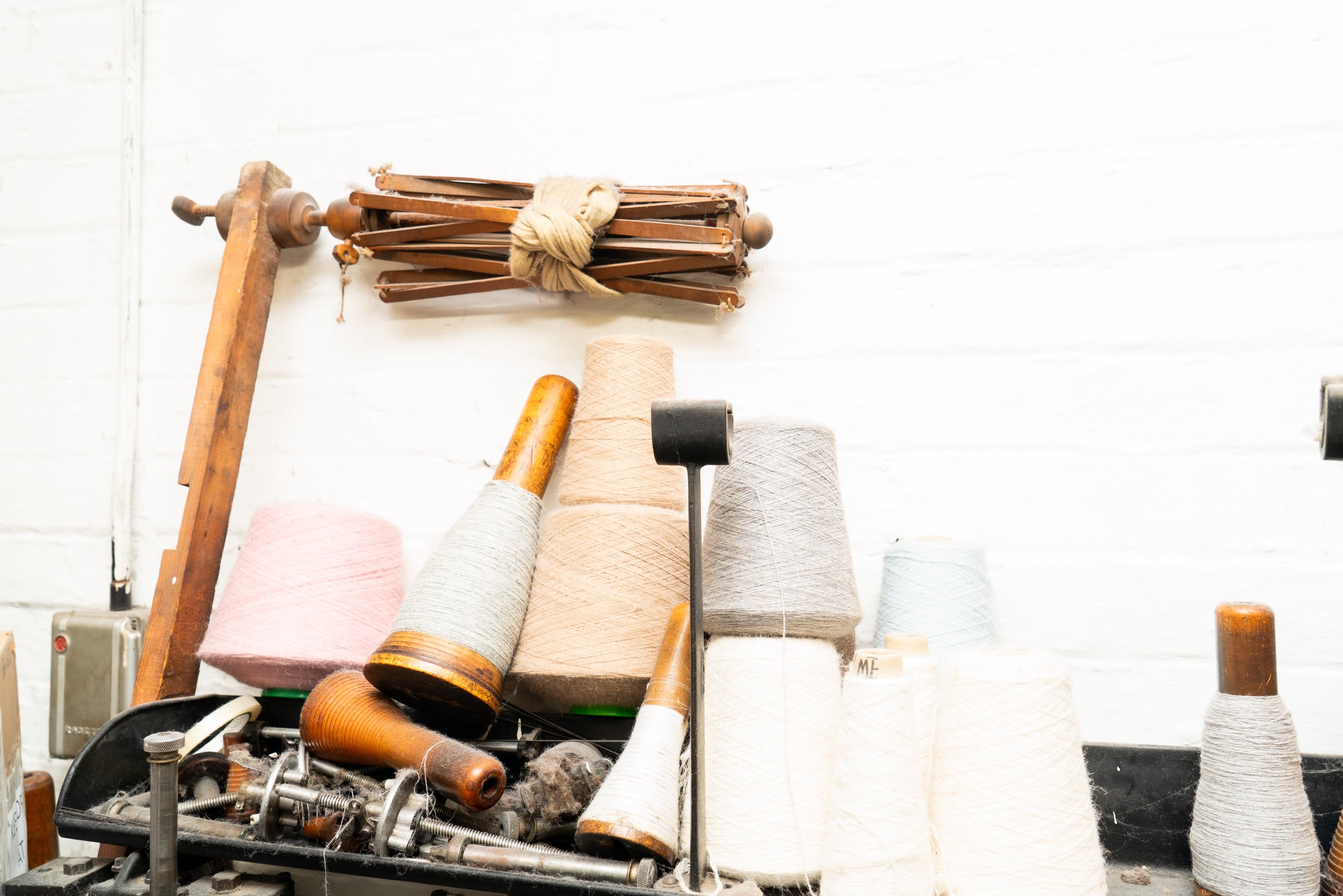
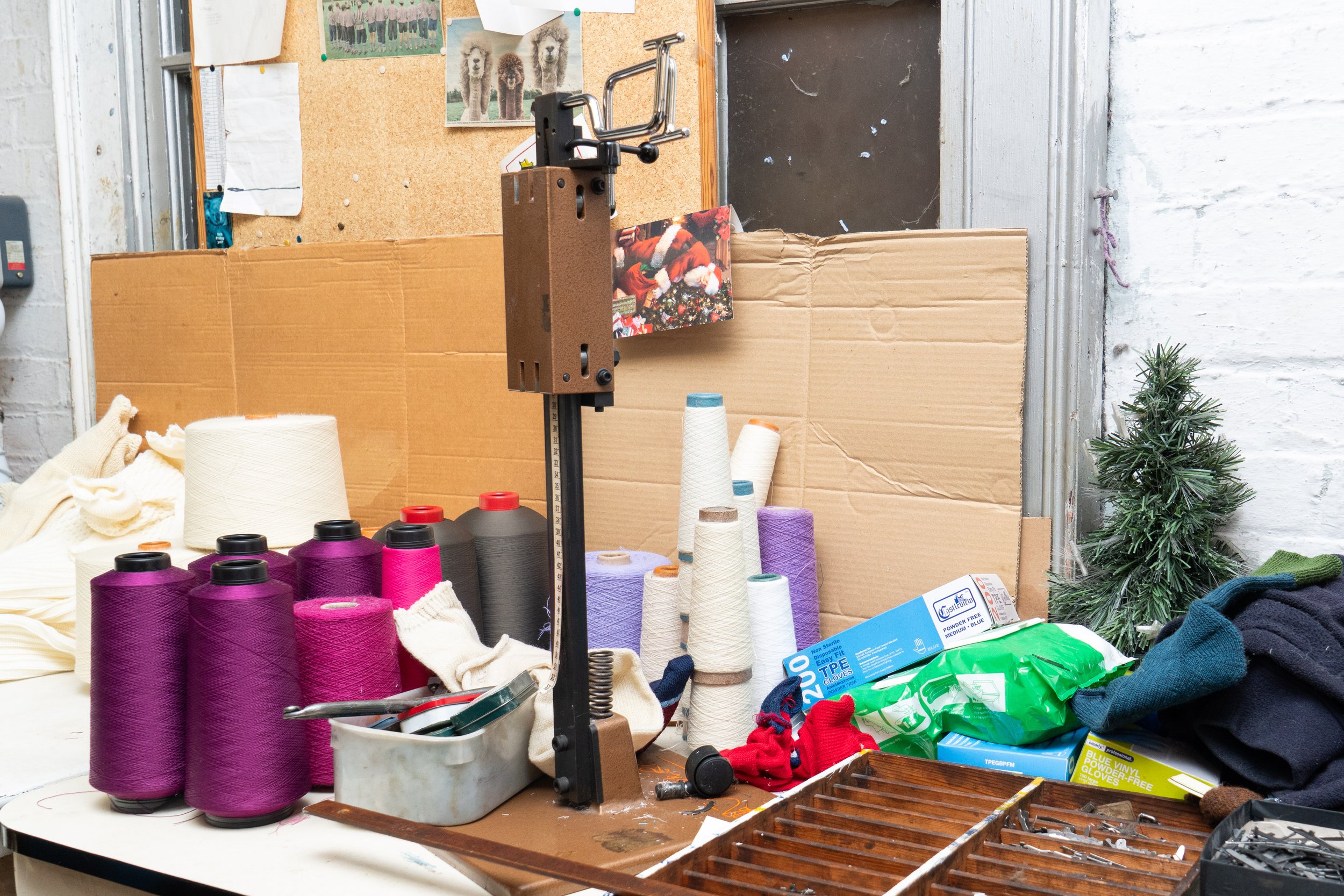
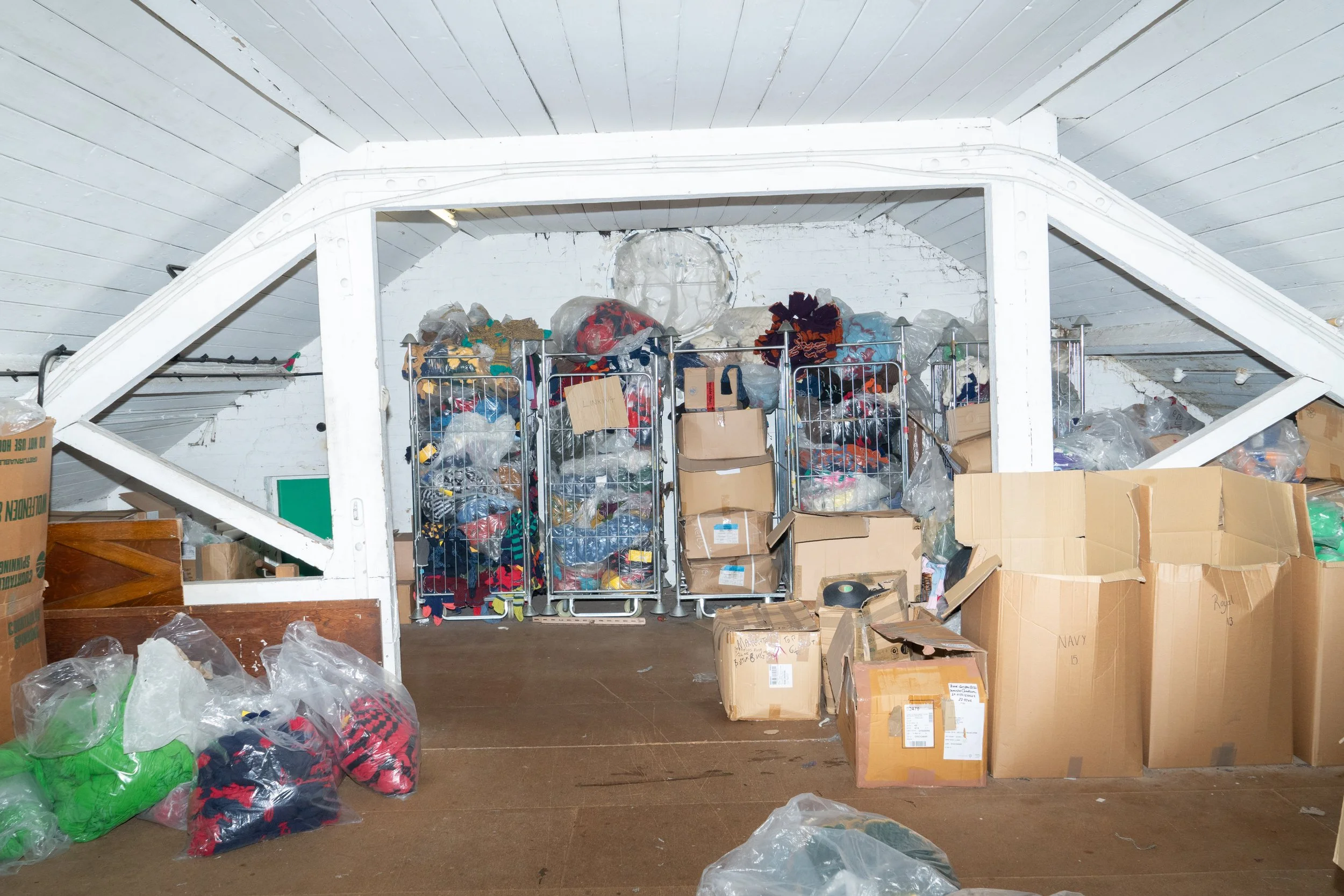
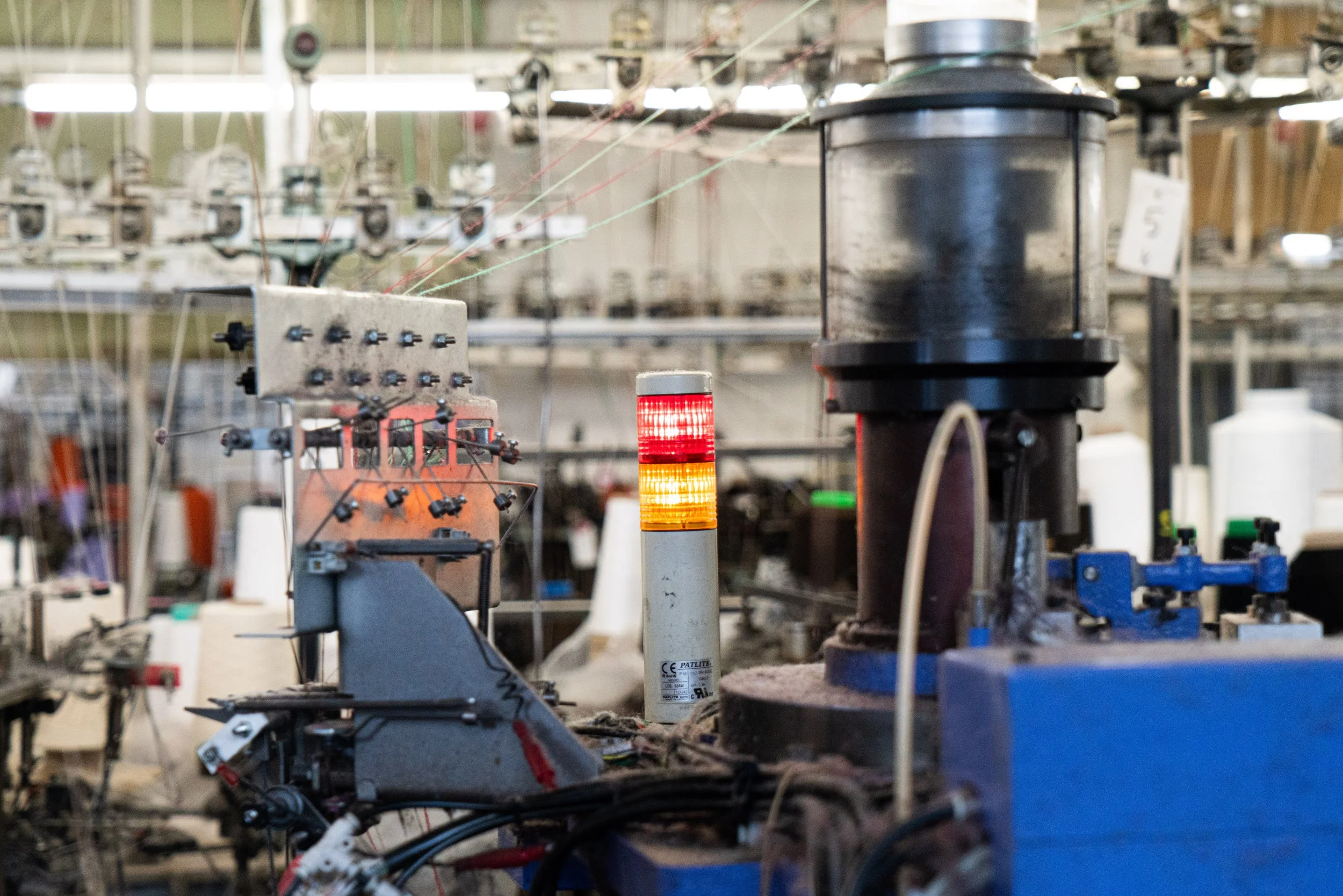
The factory floor is dense with equipment. Cast iron frames, belts, cones of yarn and workbenches sit closely together. The older machines have a physical weight and presence, worn surfaces and oil-stained components that show decades of use. In contrast, the newer Japanese models are more compact and refined in form, but they sit within the same rhythm of production. Nothing feels staged or preserved. Everything is in use.
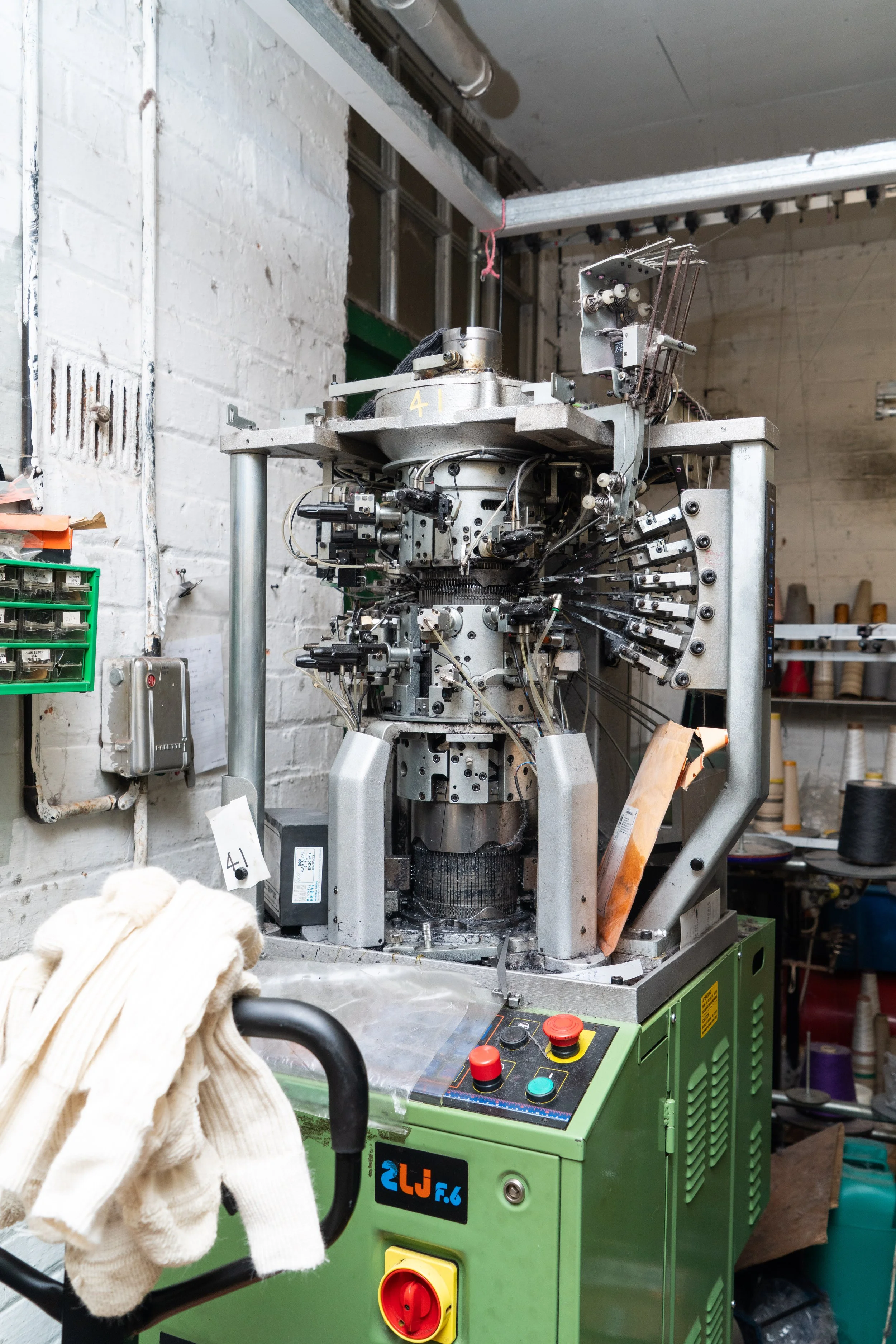
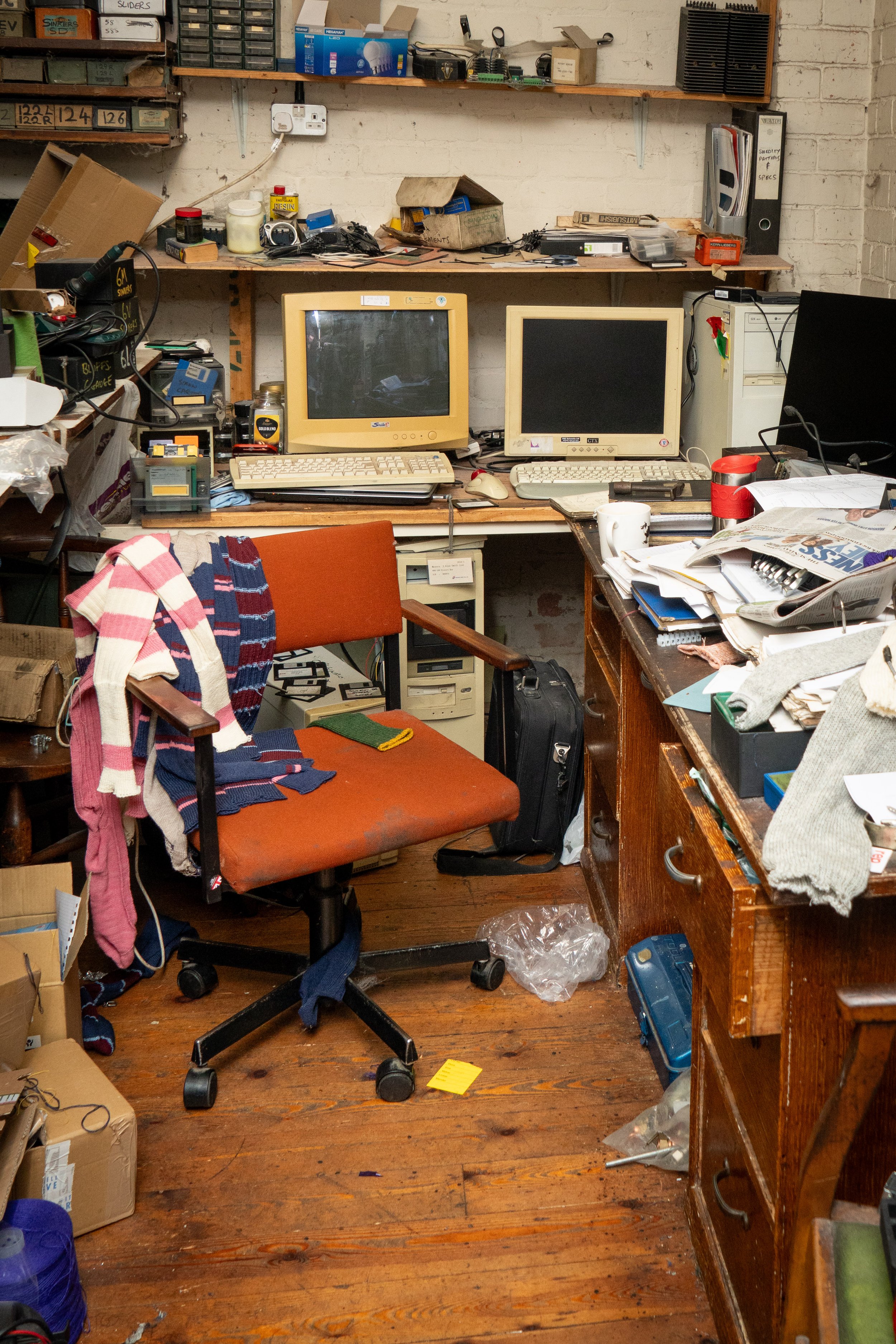
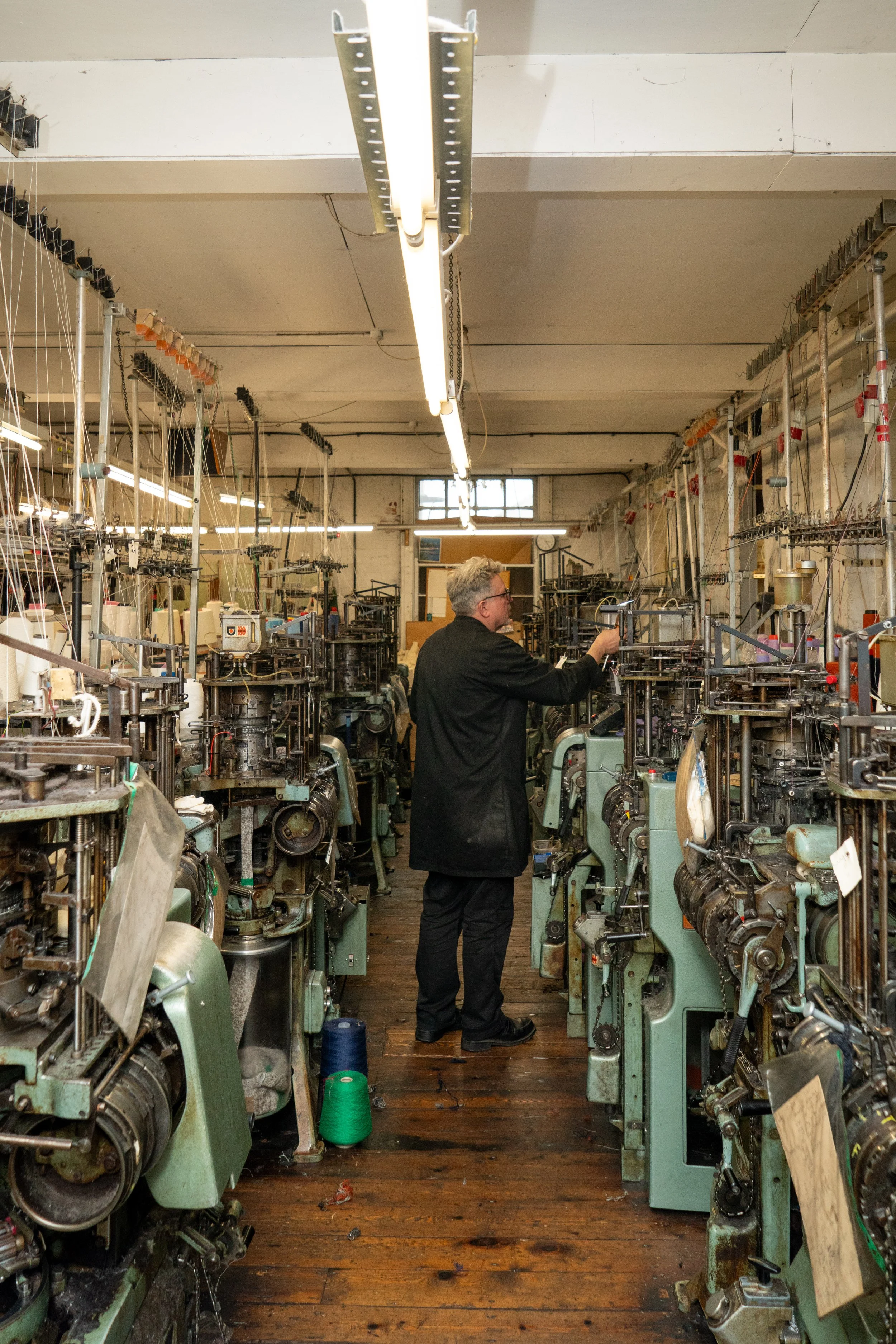
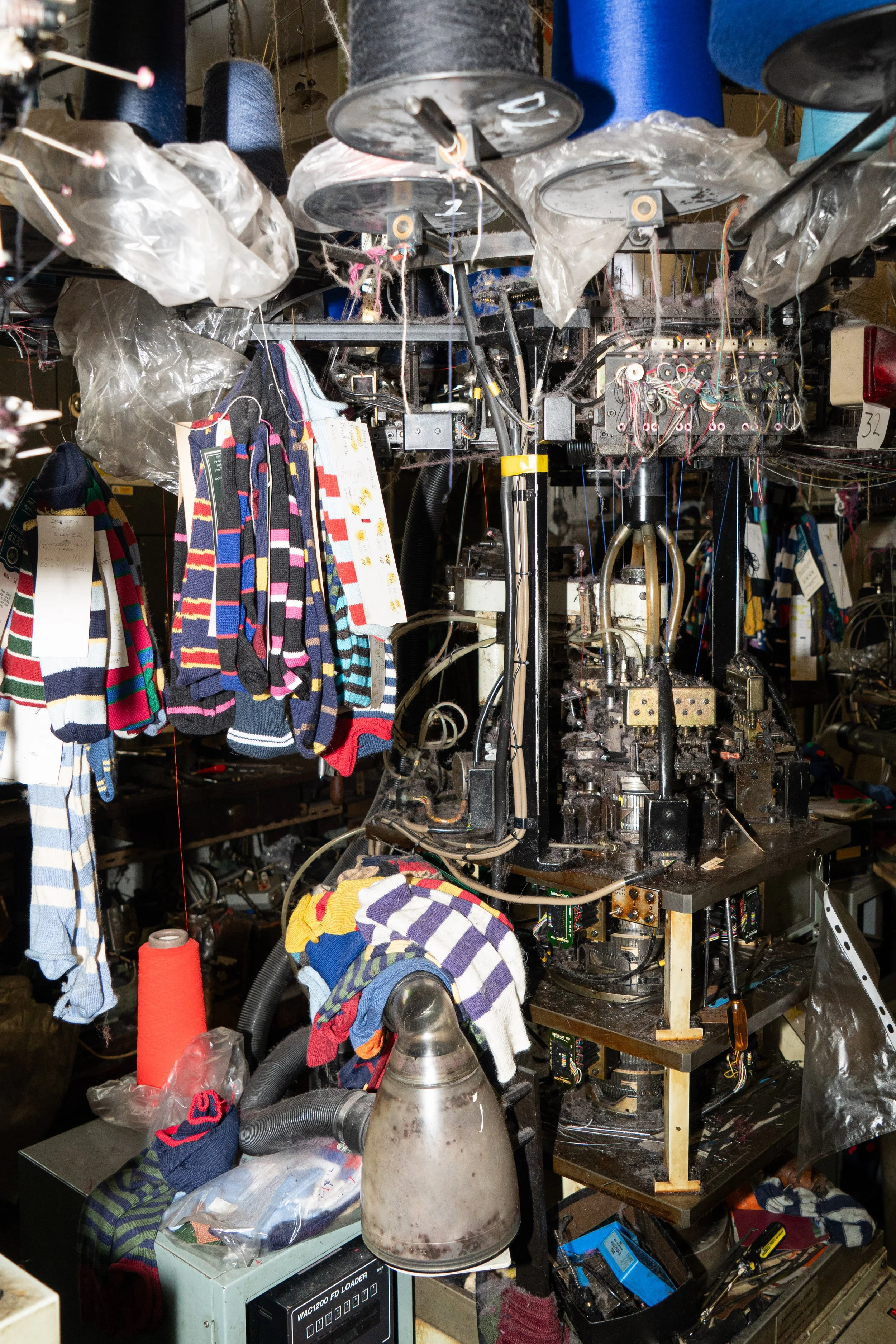
Because production is hands-on and continuous, I had to work carefully within the space without interrupting the workflow. The existing light was mixed and uneven, with deep shadows forming between machines. I used a single external flash to control contrast and bring clarity to key details while maintaining the atmosphere of the factory. The intention was not to overpower the space but to reveal its texture, from the metal surfaces to the vibrant colours of the yarn.
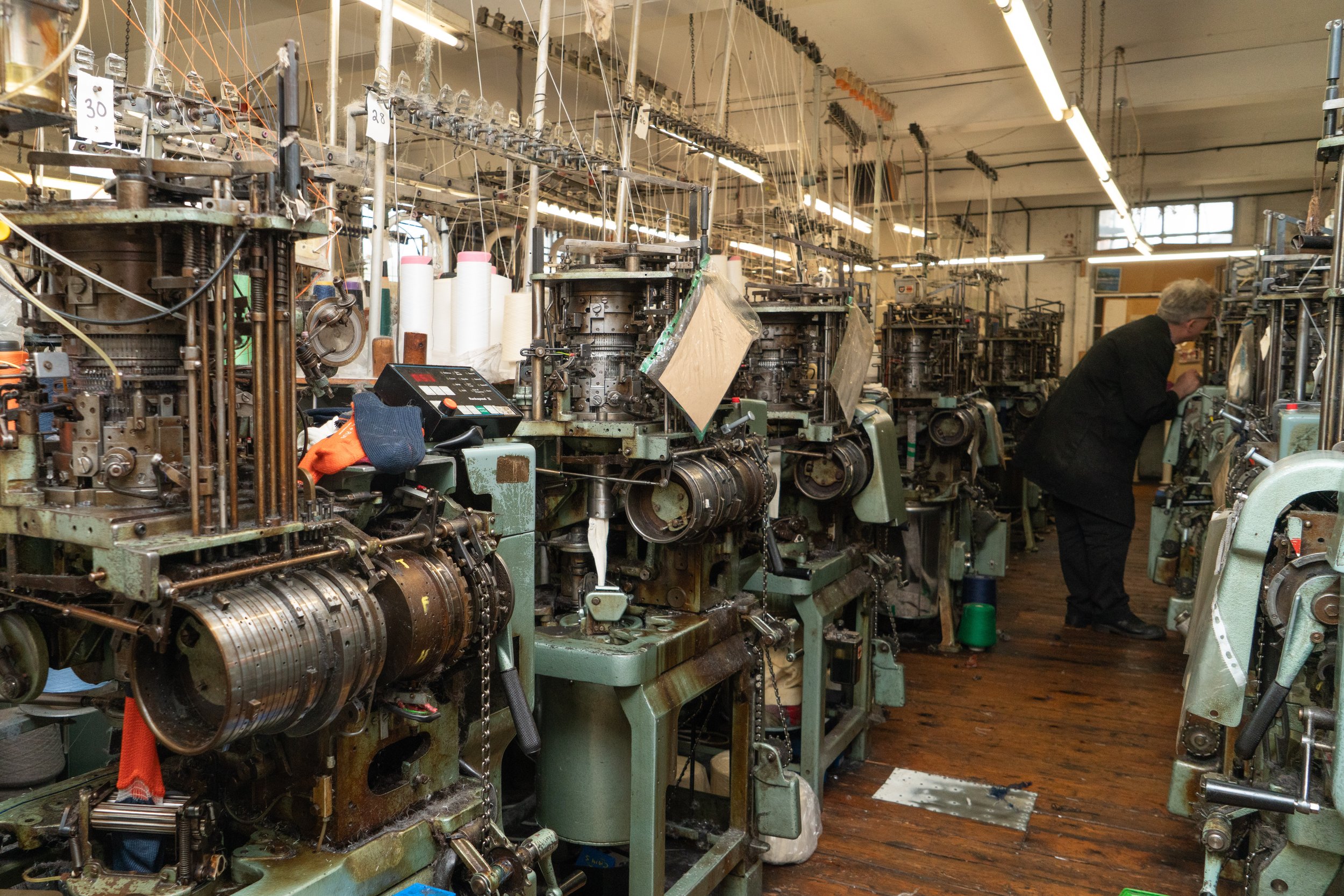
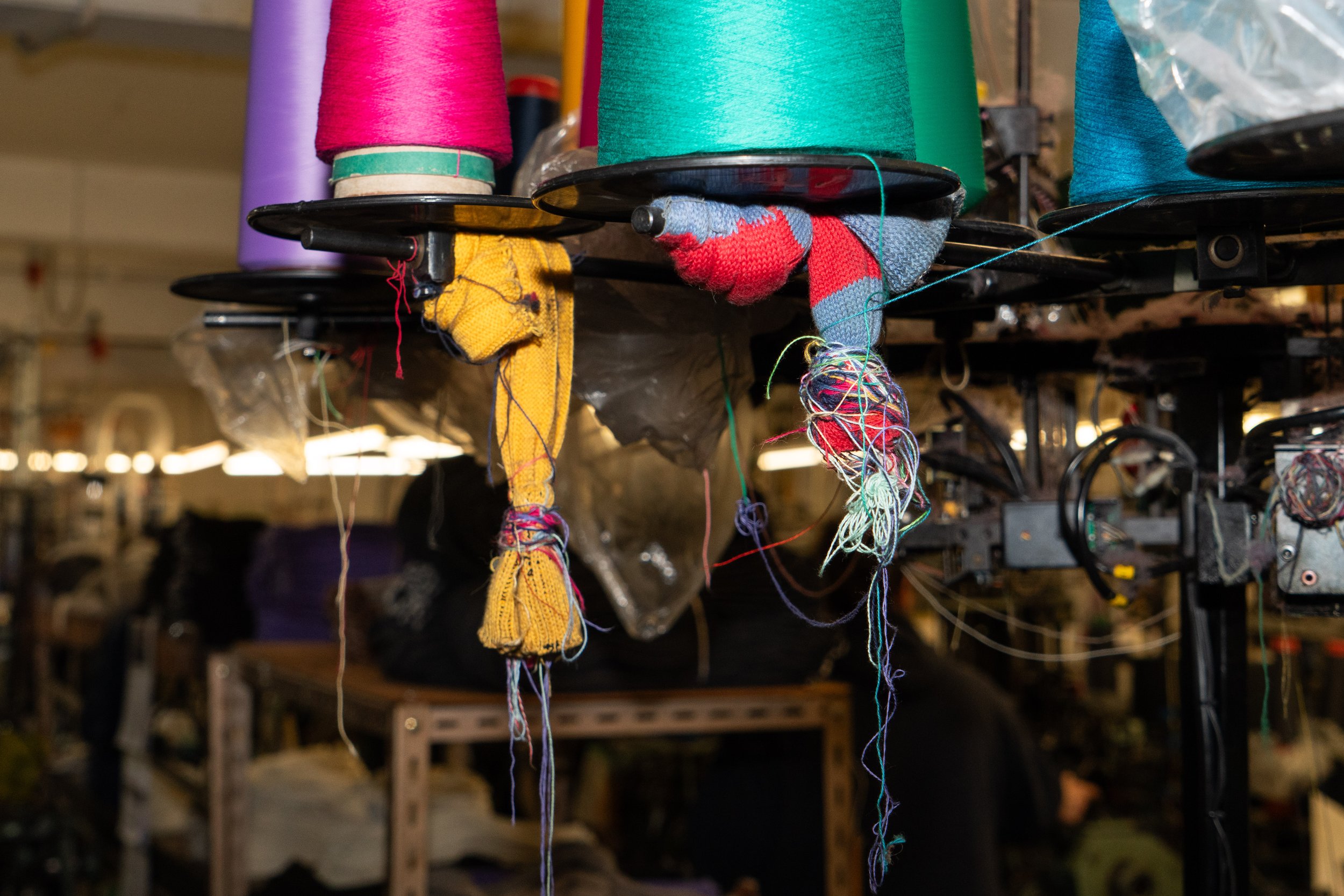
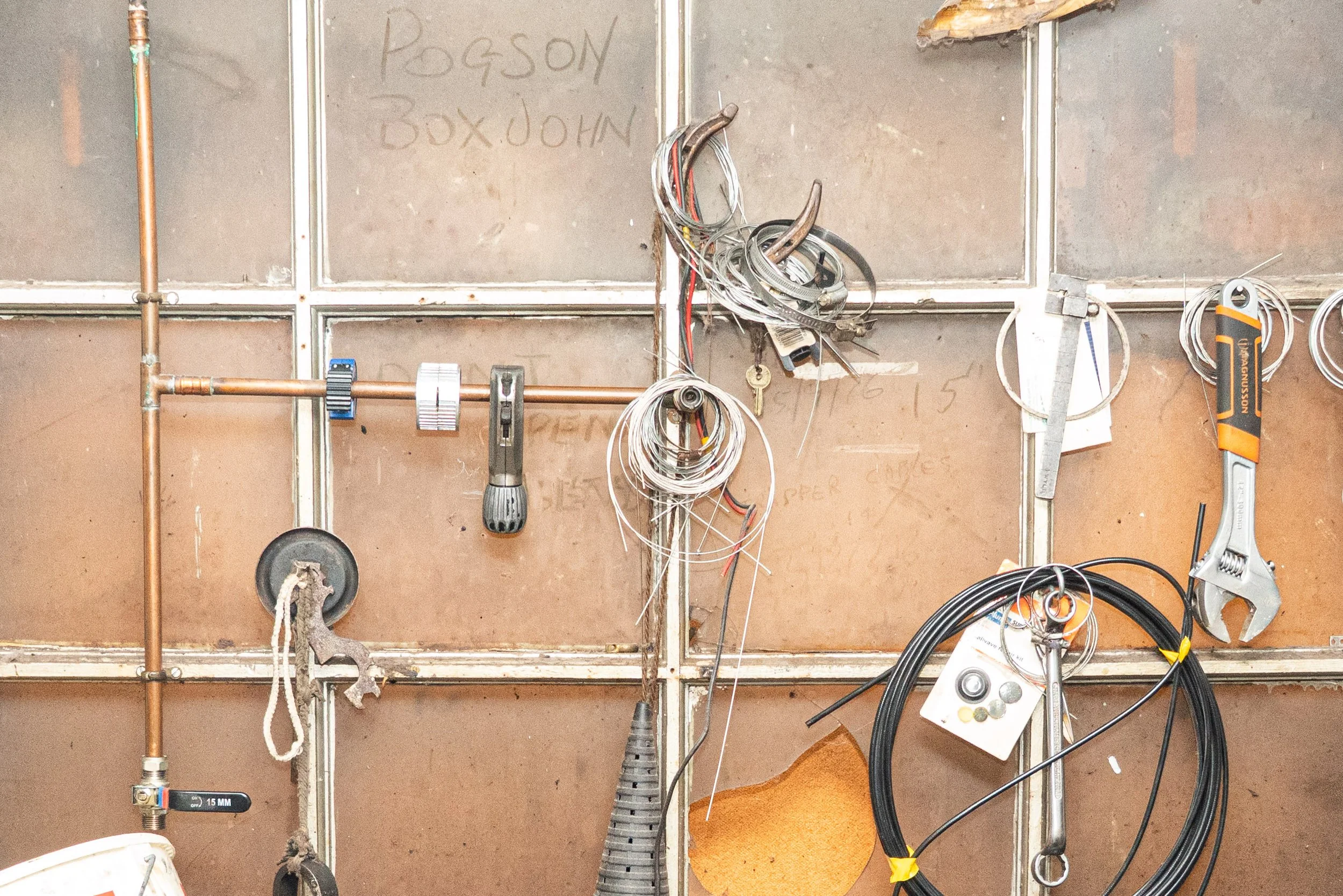
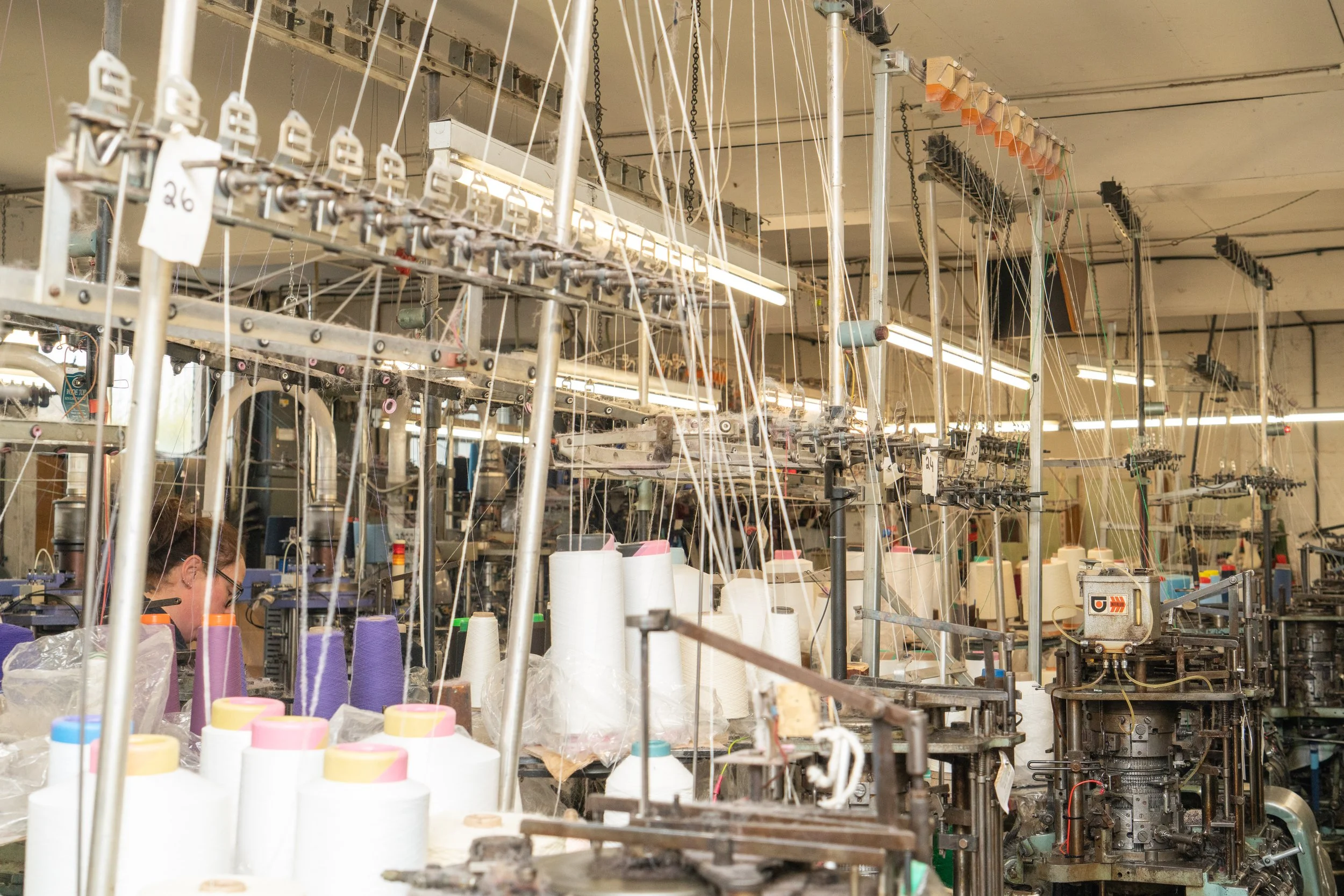
I combined wide frames to show the scale and layout of the machinery with tighter studies of mechanisms, tools and materials. Stepping in close allowed me to capture the density of the equipment and the repetition of forms, while pulling back revealed how each station connects to the next. Including workers in the frame was important. Their interaction with the machines, adjusting settings and hand finishing products, reinforced that this process remains labour-intensive and precise.
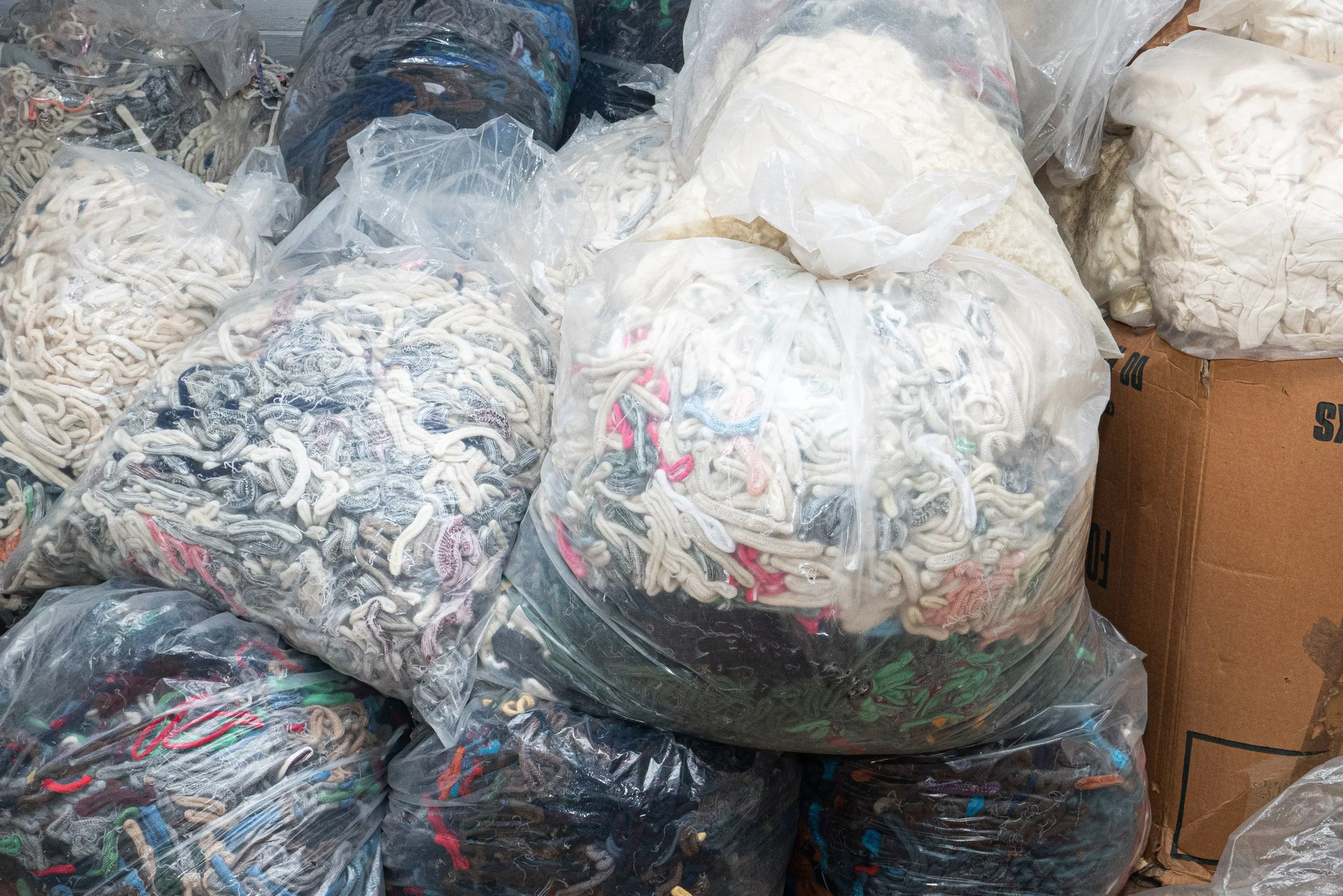
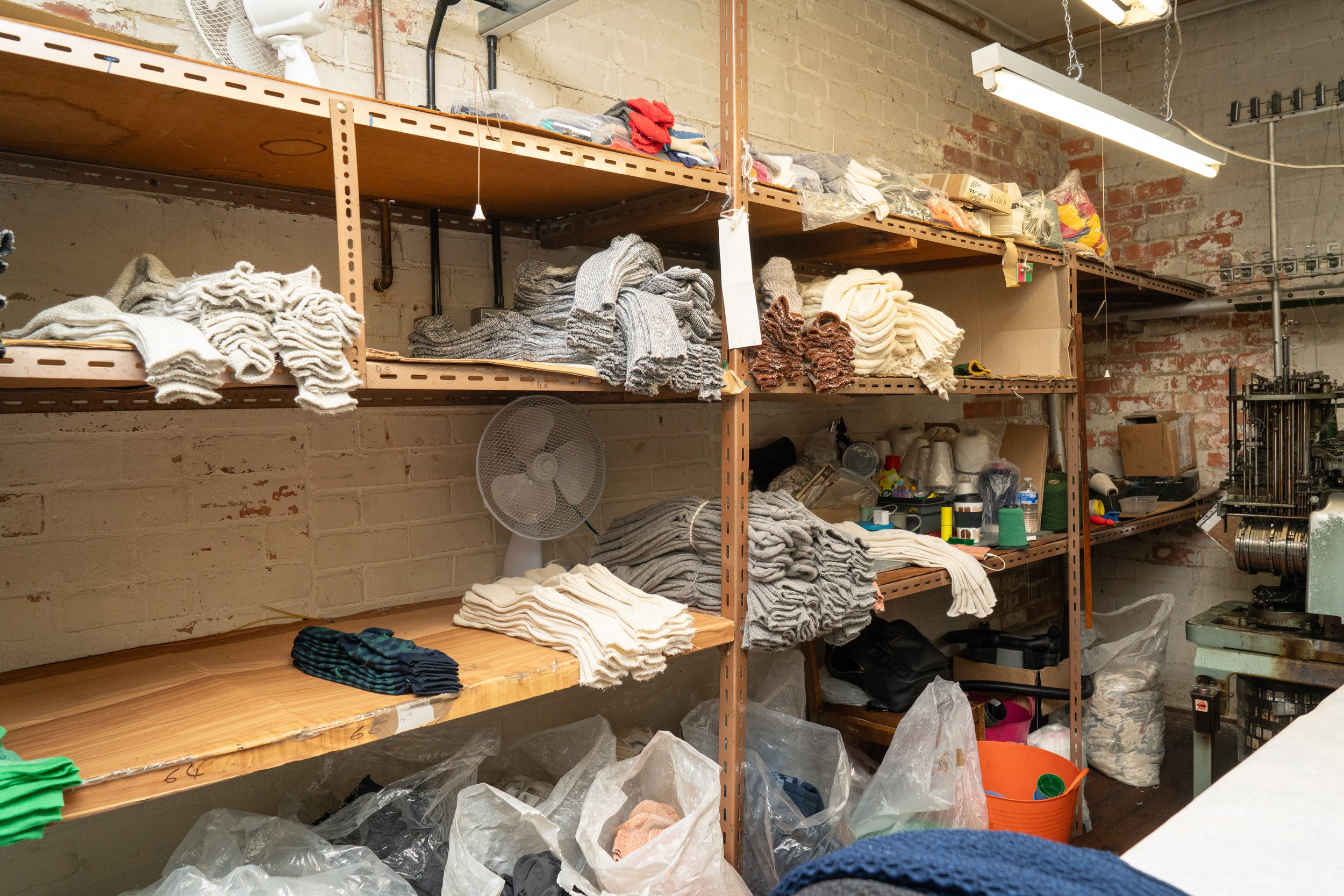
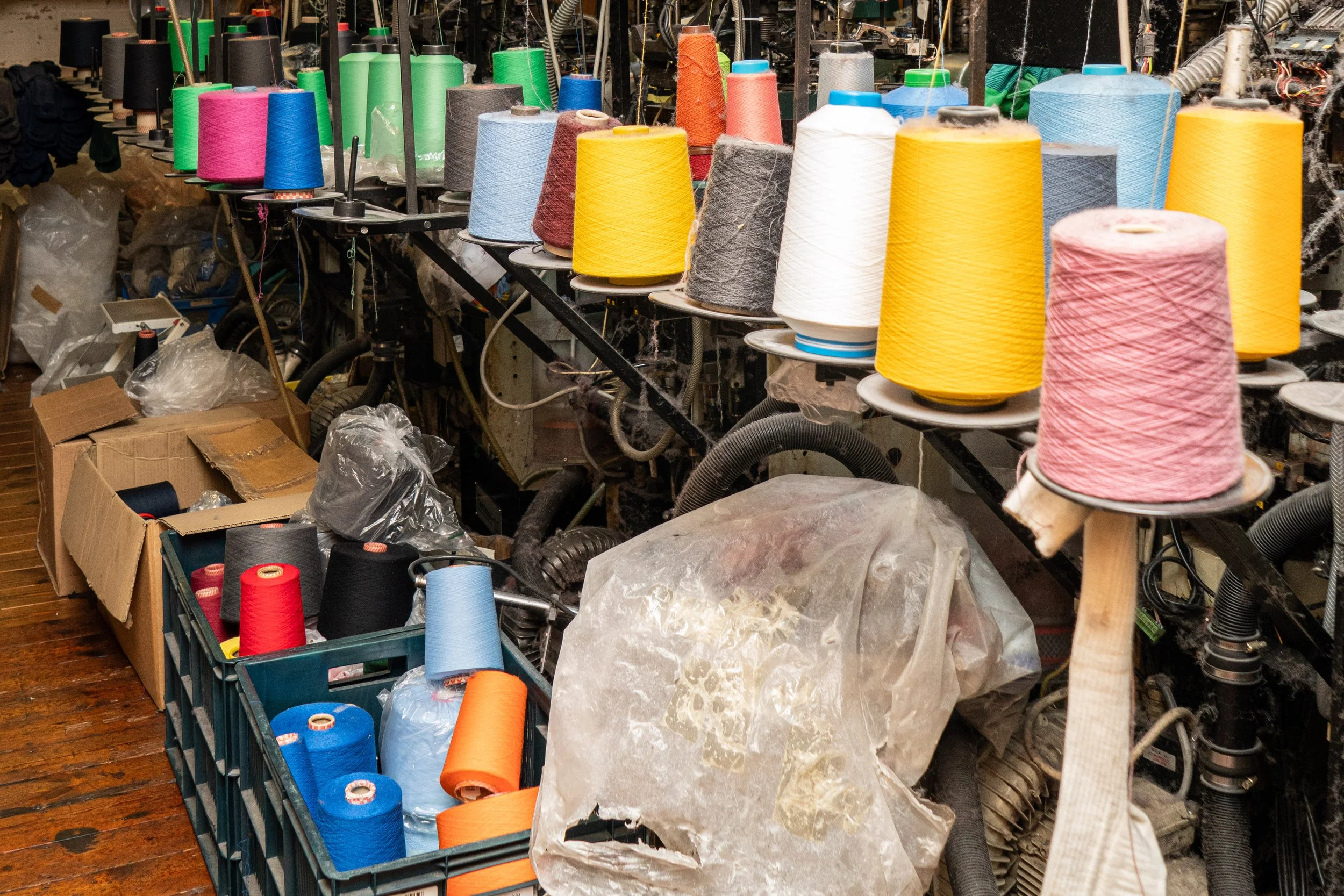
What stood out most was the level of human involvement. Although the machinery drives the production, it does not remove the need for skill and attention. The oil-stained Bentley Komet Knitter is still in daily operation, maintained and relied upon rather than displayed as a relic. Nearby, a small alpaca pinned to a corkboard above a workstation acts as a quiet reference to the raw material at the heart of the business.
This project revealed a factory that is not defined by nostalgia, but by continuity. Tradition here is active. It shapes the way the machines are used, the way the products are finished, and the standard that leaves the building.